
Introduction: The Transformation of Commercial Illuminated Signage
For decades, light box signs have been one of the most widely used solutions in commercial environments. From retail stores and restaurants to shopping centers and transportation facilities, illuminated cabinet signs provided businesses with a reliable way to increase nighttime visibility.
However, modern commercial design has changed.
Today, brands are not only looking for signs that attract attention — they are looking for signage that becomes part of the architecture.
This is why more designers, contractors, and brand owners are moving toward architectural-grade illuminated signage, including:
- Custom LED logo signs
- Stainless steel backlit letters
- Halo illuminated channel letters
- Premium metal architectural signage
Unlike traditional illuminated boxes, these solutions combine materials, lighting, and architectural design to create a stronger brand experience.
As a professional custom LED sign manufacturer, HLW Sign provides customized illuminated signage solutions for global commercial projects, including restaurants, hotels, retail stores, and corporate spaces.
What Is a Light Box Sign and What Defines Architectural-Grade Signage?
A traditional light box sign is usually constructed with an aluminum or steel cabinet frame, internal LED modules, and a translucent front panel made from acrylic, polycarbonate, or flexible materials.
The main feature is:
A large uniform illuminated surface.
This structure makes light boxes highly practical for applications requiring large information areas, such as:
- Shopping mall directories
- Gas station displays
- Menu boards
- Retail advertising panels
However, architectural-grade signage follows a different design philosophy.
Instead of treating signage as an independent advertising object, architectural signage integrates the sign into the surrounding environment.
Popular examples include:
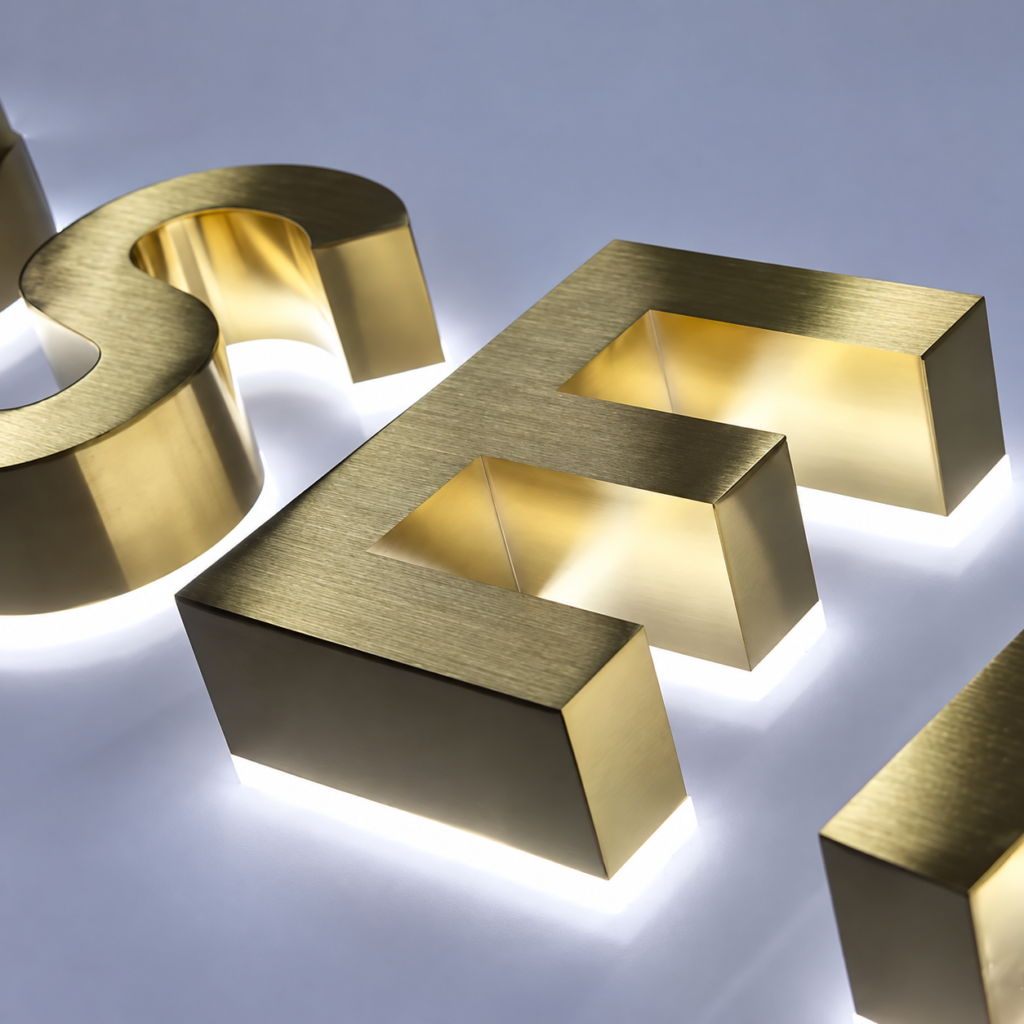
Channel letters are widely used as three-dimensional illuminated letters for commercial buildings, with different lighting methods including front-lit and reverse-lit designs.
The difference is simple:
A light box illuminates a surface.
Architectural signage uses light to enhance a brand and space.
Why Traditional Light Boxes Are Becoming Less Suitable for Premium Brands
1. Flat Illumination vs Three-Dimensional Brand Expression
The biggest limitation of traditional cabinet signs is visual depth.
Because the entire panel emits light evenly, the sign often appears as a flat glowing rectangle.
For premium environments such as:
- Luxury hotels
- Beauty clinics
- Financial offices
- Boutique retail stores
brands increasingly prefer signage with:
- Material contrast
- Shadow effects
- Dimensional letters
- Controlled lighting
This is why products such as 3D metal logo signs have become popular among designers seeking a more architectural appearance.
Alternative Solution One: Front-Lit Channel Letters for Maximum Visibility
One of the most common upgrades from light boxes is the LED channel letter sign.
Instead of one illuminated panel, every letter becomes an independent lighting element.
Benefits include:
- Better brand recognition
- Stronger readability
- More flexible design
- Premium three-dimensional appearance
For storefronts, shopping centers, and roadside businesses, front-lit channel letters remain one of the most effective solutions.
HLW Sign produces customized LED channel letters using stainless steel, aluminum, acrylic, and outdoor-rated LED systems.
However, front-lit signs are designed mainly for visibility.
For brands requiring a softer architectural atmosphere, halo lighting offers another direction.
Alternative Solution Two: Halo Backlit Letters Create an Architectural Experience
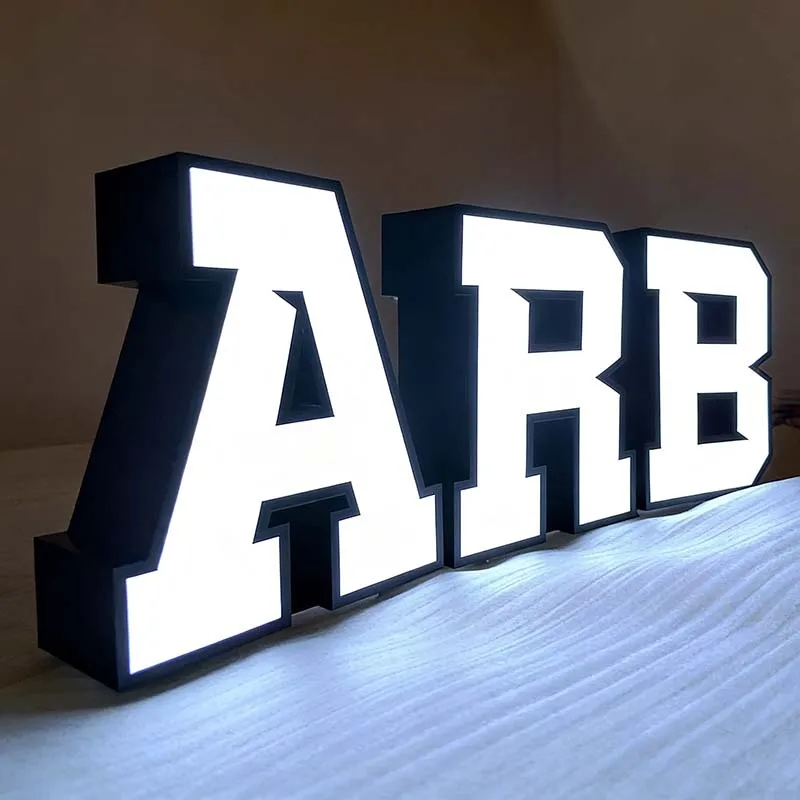
The biggest change in premium signage is the growth of halo illuminated letters.
Unlike front-lit letters, reverse-lit signs direct LED light toward the wall behind the letters.
The result is:
- Soft indirect illumination
- Floating appearance
- Reduced glare
- Premium architectural feeling
A brushed stainless steel logo with warm white backlighting can transform a reception wall into a brand statement.
This style is commonly used for:
- Hotel lobby signage
- Restaurant branding walls
- Corporate reception signs
- Luxury retail stores
For companies searching for custom backlit channel letters for commercial buildings, halo-lit signage has become one of the preferred solutions.
The best halo effects depend on:
- Wall color
- Surface texture
- Installation distance
- LED brightness control
Light-colored matte walls usually create the clearest halo effect.
LED Technology: The Reason Signage Design Has Changed
The evolution from traditional light boxes to architectural signage is closely connected with LED development.
Modern LED systems provide:
- Lower energy consumption
- Smaller installation size
- Better brightness control
- Adjustable color temperature
According to the U.S. Department of Energy, LED lighting offers significant efficiency improvements compared with traditional lighting technologies.
For signage manufacturers, this means designers can now create effects that were previously difficult to achieve:
- Halo lighting
- Edge illumination
- RGB color control
- Dynamic lighting systems
Modern custom LED logo signs are no longer just visibility tools — they are architectural branding elements.
The Future of Illuminated Signage: Not Replacement, But Specialization
Will light boxes disappear?
The answer is no.
Light boxes remain valuable where businesses need:
- Large information displays
- Frequent content updates
- Cost-effective solutions
However, premium commercial projects increasingly require signage that contributes to the building design.
The future will be divided by application:
| Application | Recommended Solution |
|---|---|
| Highway visibility | Front-lit channel letters |
| Luxury hotels | Halo backlit metal letters |
| Retail branding | Custom illuminated logo signs |
| Shopping centers | Architectural light boxes |
| Corporate offices | Stainless steel logo signage |
The evolution of signage is not about making signs brighter.
It is about controlling where light goes, how materials interact with architecture, and how customers experience a brand.
The future of illuminated signage is not simply illumination — it is architectural storytelling through light.