
Formed Plastic Letter Sign: 7 Essential Buying Tips
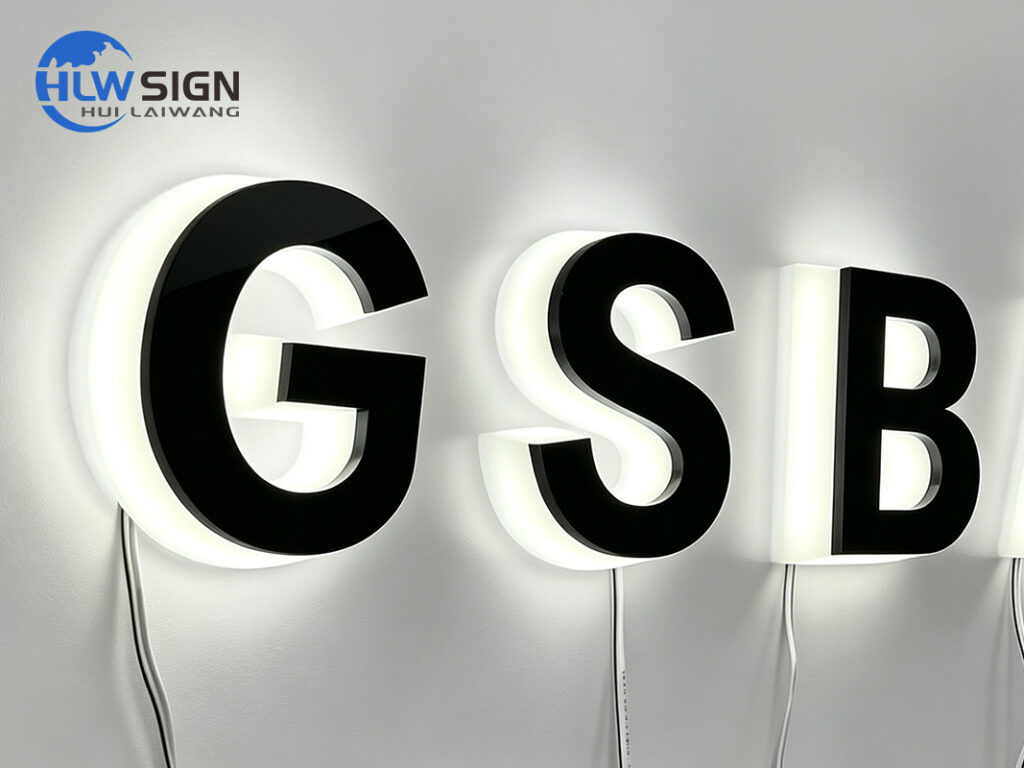
A formed plastic letter sign is a three-dimensional sign made by shaping plastic into letters, numbers, or logo forms. It can be non-illuminated or fitted with internal LEDs for a bright front-lit appearance.
This type of sign is often chosen for storefronts, retail chains, restaurants, petrol stations, pharmacies, shopping centres, and commercial buildings. Compared with flat acrylic letters, formed plastic letters have a deeper profile. Compared with fabricated metal channel letters, they can be a practical option when a project needs lightweight dimensional letters with a smooth moulded face.
The best formed plastic letter sign depends on the required size, lighting effect, viewing distance, installation wall, brand colour, and indoor or outdoor application. This guide explains how formed plastic letters are made, where they work best, and what to confirm before ordering.
What Is a Formed Plastic Letter Sign?
A formed plastic letter sign uses heat and a mould to shape a plastic sheet into a raised, three-dimensional letter or logo. The formed face is then trimmed and assembled with a return, back, LEDs, wiring, and mounting hardware when illumination is required.
The term may refer to several related products:
- Vacuum-formed plastic letters
- Thermoformed letters
- Formed acrylic letters
- Formed polycarbonate letters
- Illuminated plastic channel letters
- Moulded storefront letter signs
The visible face is smooth and dimensional rather than flat. For illuminated projects, the plastic face works as a diffuser, allowing internal LEDs to create an even illuminated surface.
A formed plastic letter sign may be made as one complete letter face or as part of a larger logo system with metal returns, aluminium backs, acrylic components, or a painted rear panel.
How Is a Formed Plastic Letter Sign Made?
The production process begins with approved vector artwork. The manufacturer checks letter size, stroke width, depth, logo details, and whether the design is suitable for moulding.
A typical process includes:
- Artwork and size confirmation
The logo, font, overall dimensions, letter depth, and lighting effect are confirmed. - Mould or forming-tool preparation
A suitable mould or forming tool is created based on the letter or logo shape. - Plastic-sheet heating
The plastic sheet is heated until it can be shaped without cracking. - Vacuum or pressure forming
The heated sheet is drawn over or into the mould to create the raised letter face. - CNC trimming
Excess material is trimmed and the formed face is cut to its final profile. - Return and back assembly
The letter is assembled with a metal or plastic return and a suitable rear structure. - LED installation for illuminated letters
LED modules are installed at calculated positions to avoid bright spots and uneven lighting. - Testing, inspection, and packing
The finished formed plastic letter sign is checked for shape, colour, illumination, wiring, and surface quality before packing.
The manufacturing method is different from laser-cut flat acrylic letters. A formed letter has a moulded face and a more rounded, substantial profile.
Formed Plastic Letters vs Flat Acrylic Letters
Both options are useful, but they create different results.
| Feature | Formed Plastic Letter Sign | Flat Acrylic Letters |
|---|---|---|
| Appearance | Deep moulded face | Flat or layered profile |
| Letter depth | Usually greater | Depends on acrylic thickness and layers |
| Lighting option | Often front-lit from inside | Edge-lit, backlit, or non-lit |
| Best use | Storefronts and long-distance branding | Reception walls and close viewing |
| Weight | Lightweight for its size | Usually lightweight |
| Surface style | Smooth formed face | Cut edge and layered surface |
| Tooling requirement | Often needed for custom forms | Usually no mould required |
Flat acrylic letters can be ideal for indoor office walls, salons, and close-viewed signs. A formed plastic letter sign is often better when the project needs a deeper, more traditional storefront-letter appearance.
For layered and custom-cut options, explore HLW’s acrylic letter signs.
Formed Plastic Letters vs Fabricated Channel Letters
Fabricated channel letters are usually made by bending metal returns around a letter shape and fitting an acrylic face. Formed plastic letters use a shaped plastic face instead.
| Feature | Formed Plastic Letters | Fabricated Channel Letters |
|---|---|---|
| Face construction | Vacuum- or pressure-formed plastic | Flat or shaped acrylic face |
| Return construction | Plastic or combined structure | Usually aluminium or stainless steel |
| Best appearance | Smooth moulded face | Sharper, more architectural profile |
| Suitable size | Medium to large letters | Small to very large letters |
| Common application | Retail chains and storefronts | Storefronts, façades, premium logos |
| Custom metal finish | Limited | Strong option for brushed, painted, or plated metal |
| Lighting style | Usually front-lit | Front-lit, backlit, dual-lit, or open-face |
If you need brushed stainless steel, black metal, champagne gold, or a halo-light effect, fabricated metal letters may be the better choice. See HLW’s front-lit channel letters and backlit sign options for comparison.
When Is a Formed Plastic Letter Sign the Right Choice?
A formed plastic letter sign is suitable when a project needs a recognisable three-dimensional storefront sign with a smooth illuminated face.
It is commonly used for:
- Retail stores and chain stores
- Restaurants and cafés
- Shopping-centre tenants
- Petrol stations and service businesses
- Pharmacies and clinics
- Supermarkets and convenience stores
- Commercial building entrances
- Franchises with repeated letter styles
It can be particularly practical for brands that require the same letter design across several locations. Once the form and production method are confirmed, the same visual style can be repeated more consistently.
For a one-off premium logo with a brushed-metal finish, independent fabricated metal letters may offer more design flexibility. For a large retail identity sign with bright front illumination, formed plastic letters can be a suitable solution.
Choose the Right Plastic Material
Not every plastic has the same performance. The correct material should match the sign’s location, colour, lighting method, and environmental exposure.
| Material | Typical Use | Main Benefit |
|---|---|---|
| Acrylic | Illuminated faces and indoor letters | Good light transmission and colour options |
| Polycarbonate | Outdoor sign faces | Higher impact resistance |
| ABS plastic | Formed non-lit or protected signs | Good forming performance |
| PETG | Interior and selected commercial applications | Flexible and easy to form |
| Acrylic-polycarbonate blend | Outdoor illuminated faces | Balance of appearance and impact strength |
For outdoor illuminated plastic letters, the face material must resist UV exposure, temperature changes, and normal impact risks. The return, back panel, LEDs, seals, and mounting structure must also be suitable for outdoor use.
The material should not be selected only by initial price. A lower-cost face that fades, yellows, cracks, or loses its shape can create a higher replacement cost later.
Select the Right Lighting Effect
Most illuminated formed plastic letters are front-lit. LEDs are installed inside the letter and shine through the plastic face.
Common lighting choices include:
- Warm white for restaurants, hotels, and premium retail
- Neutral white for stores, pharmacies, and commercial façades
- Cool white for high-contrast modern branding
- Coloured LEDs for brand-colour faces
- RGB or RGBW LEDs for campaigns and changing displays
The depth of the letter, LED-module spacing, internal finish, and face material all affect illumination quality. If LEDs are placed too close to the face, bright spots may be visible. If the letter is too shallow, the face may not illuminate evenly.
For projects with dynamic colour effects, review what RGB lighting is and how it works before choosing a controller or specifying RGBW.
Plan Letter Size and Viewing Distance
A formed plastic letter sign should be designed for the distance from which customers will read it.
Before production, confirm:
- Overall sign width and available sign-band height
- Required letter height and letter depth
- Viewing distance from the road, pavement, or entrance
- Whether customers approach by car or on foot
- Daytime sunlight and night-time surroundings
- Indoor, covered outdoor, or full outdoor installation
- Wall or façade material
- Cable route and power-supply location
- Required brand colours and illumination colour
Fine script fonts and very thin strokes may not be suitable for a formed sign face. Bold, clean letters normally offer better forming results and stronger readability from a distance.
For a retail façade, simple letter shapes often perform better than a detailed logo that cannot be recognised quickly. For closer interior viewing, more detailed letters and logo elements may be possible.
Mounting Options for Formed Plastic Letter Signs
The mounting method depends on the wall material, sign weight, cable route, and whether the letters are illuminated.
Individual wall-mounted letters
Each letter is mounted separately with studs or screws. Wiring can pass through the wall behind the letters, creating a cleaner finished appearance.
Raceway-mounted letters
A raceway is a narrow painted metal box mounted behind the letters. It can conceal wiring and LED drivers while reducing the number of holes in the building façade.
Rear-panel-mounted letters
Letters can be mounted on an ACP, aluminium, or painted metal panel. This is useful when the installation wall cannot conceal wiring or when the sign needs to be installed as one assembled unit.
Freestanding or pylon structures
For retail parks, petrol stations, and roadside applications, formed plastic letters can be integrated into freestanding sign cabinets, pylons, or monument signs.
The mounting system should always be confirmed in the production drawing. The drawing should show letter positions, fixing points, cable exits, power-supply position, and total sign dimensions.
Outdoor Formed Plastic Letter Signs
Outdoor signs require a complete weather-resistant system. Using outdoor LEDs alone is not enough.
For an outdoor formed plastic letter sign, confirm:
- Destination-country voltage and plug requirements
- Outdoor face material and UV resistance
- LED module, driver, and connector protection
- Cable sealing and drainage path
- Return and back construction
- Wall strength and wind exposure
- Access for future maintenance
- Local sign, electrical, and installation requirements
The IEC guide to IP ratings explains how ingress-protection ratings classify resistance to dust and water. However, good drainage, sealed cable entries, secure fixings, and accessible service components remain essential.
For electric signs in the United States, the finished sign and installation should be checked with the local authority having jurisdiction. UL Solutions’ electric-sign guidance explains evaluation services for electric signs and sign components. Listed components do not automatically certify a completed sign or its final site installation.
For larger illuminated letters, correct driver sizing and cable layout also help control voltage drop and uneven brightness. Read HLW’s guide to outdoor sign power supplies before approving the electrical layout.
What to Send for a Formed Plastic Letter Sign Quotation
To quote a formed plastic letter sign accurately, please provide:
- Vector artwork in AI, PDF, EPS, SVG, or CDR format
- Overall dimensions or available installation area
- Required quantity
- Installation photos and wall details
- Indoor or outdoor application
- Destination country and local voltage
- Preferred letter-face colour and LED colour
- Required lighting style
- Individual letters, raceway, rear panel, or freestanding structure
- Target delivery date
HLW Sign can provide free design support and production drawings before fabrication. For suitable illuminated projects, we provide 24-hour lighting tests, pre-shipment photos or videos, and export-safe wooden-crate packing for larger signs.
Order Custom Formed Plastic Letters From HLW Sign
A well-designed formed plastic sign can give a storefront a bright, durable, and recognisable identity. The best result comes from matching the letter shape, material, lighting effect, and mounting method to the real installation environment.
HLW Sign manufactures custom formed plastic letter signs, LED channel letters, acrylic letters, illuminated logos, light boxes, and commercial signage from one set upward. Explore HLW Sign’s custom signage solutions or contact our team with your artwork, size, installation photos, destination country, voltage, and preferred lighting effect.
FAQs
What is a formed plastic letter sign?
A formed plastic letter sign is a three-dimensional letter, number, or logo shape made by heating and moulding plastic. It can be non-illuminated or fitted with internal LEDs for front illumination.
Are formed plastic letters suitable for outdoor use?
Yes, when the face material, LED modules, power supply, cable exits, drainage, mounting system, and other components are specified for the actual outdoor environment.
Are formed plastic letters the same as channel letters?
They are related but not always the same. Formed plastic letters use a moulded plastic face, while fabricated channel letters normally use formed metal returns and an acrylic face.
Can formed plastic letters use custom colours?
Yes. The plastic face, painted returns, internal illumination, and logo details can be customised to match many brand colours.
What do you need for a quotation?
Please send vector artwork, overall dimensions, quantity, installation photos, destination country, local voltage, indoor or outdoor use, preferred colours, lighting requirements, and target delivery date.