


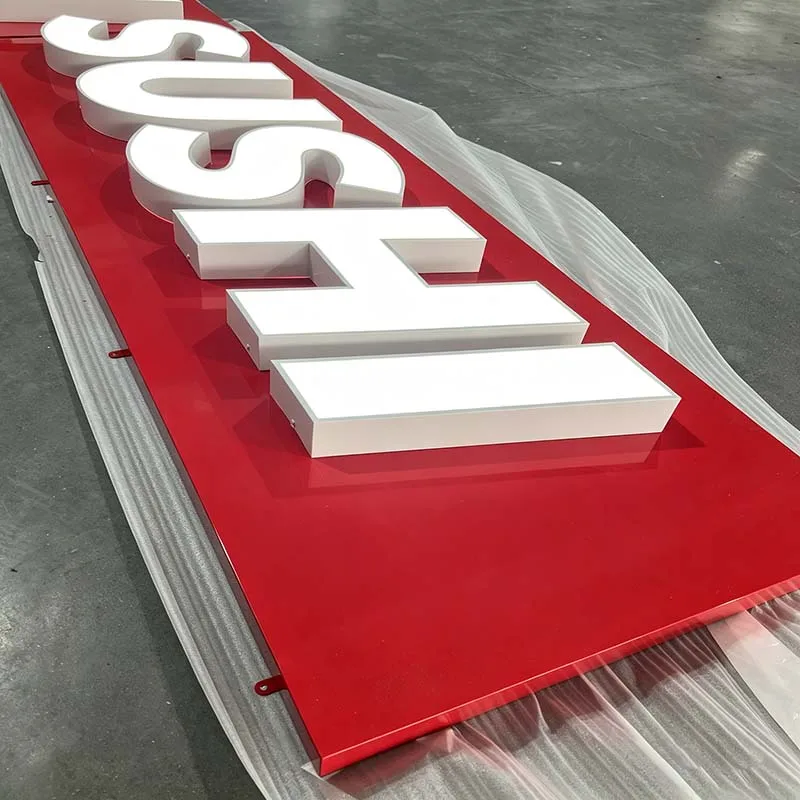
Quick answer: Most exterior channel letter installations need a sign permit, and the electrical portion usually needs a separate electrical permit. Prepare a site plan, elevation with dimensions, mounting detail, landlord approval and a UL-listed sign assembly before applying.
What is normally required
- Sign permit — size, height, location and illumination type
- Electrical permit — driver, circuit and disconnect
- Landlord consent — for leased retail units
- Historic or design review — in protected districts
Documents to prepare
- Site plan showing the building line and the sign location
- Elevation drawing with letter height, total width and projection
- Mounting detail: raceway or flush, anchors and standoff
- Electrical one-line diagram and driver datasheet
- UL listing or file number for the sign assembly
- Landlord approval letter
The listing question is covered in the UL certification guide; mounting options are compared in raceway vs flush mount.
Common rejection reasons
- Sign area exceeds the zoning allowance for the frontage
- Height above the permitted line, or projection into the right of way
- Missing engineer stamp for a large pylon or roof sign
- Unlisted electrical assembly
- No landlord consent for a leased unit
Timeline
Simple storefront letters often clear in two to four weeks; historic districts and pylon signs can take eight to twelve. Apply before production, not after, because a condition of approval may change the size or mounting method.
Working with the factory
Ask for permit drawings early. A factory that quotes from a logo alone will often produce a sign that cannot be permitted. Send the site address, frontage width and any landlord or historic requirements with the initial enquiry. For outdoor specifications, see coastal signage specification and the installation guide.
United States versus United Kingdom
In the United States, sign permits are issued by the city or county, and the electrical work is inspected separately. Requirements vary widely: a small town may accept a one-page elevation, while a large city may require an engineer stamp for anything above a certain height or projection. The authority having jurisdiction decides, and a sign company that works nationally keeps a checklist per city.
In the United Kingdom, exterior advertising consent is separate from building regulations approval. Listed buildings and conservation areas add a heritage assessment, and illuminated signs often need a lighting impact note. The practical advice is the same: confirm the local requirement before production, not after.
Who submits the application
Either the sign company or the business owner can submit, but the landlord usually has to sign a consent form for a leased unit. For multi-site rollouts, one permit package per address is normal, even when the signs are identical. Budget the fee per site, not per order.
Typical fees and timing
- Small storefront sign: a few hundred dollars or pounds per site
- Pylon or large projecting sign: higher fee, plus engineering review
- Historic district: additional review time and possibly a public notice
Fees are rarely the largest cost; delay is. A sign that is manufactured before approval may need to be resized or re-mounted, which costs far more than the permit itself.
After approval
Keep the approved drawing on site during installation. The electrical inspector may ask for the driver datasheet, the listing certificate and the disconnect location. After inspection, photograph the finished install for the landlord and for the permit file; some jurisdictions require a final inspection sign-off before the sign can be energised.
Reference: UL Solutions, NFPA / National Electrical Code.